Is This Conceptual Art (Or Not)?
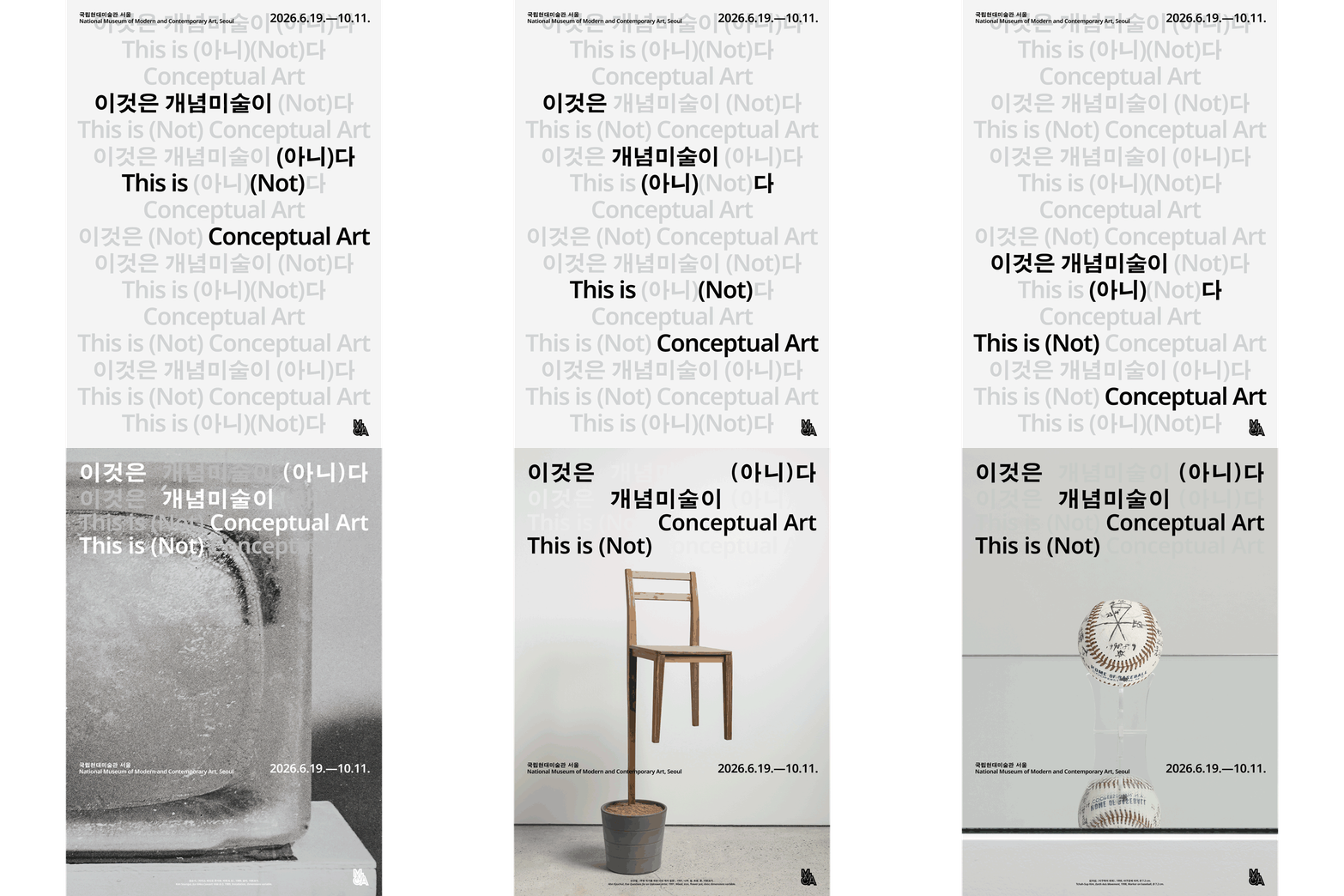
이것은 개념미술이 (아니)다
This exhibition traces the conceptual shift in contemporary Korean art from visual perception to language and thought. Conceptual art emerged in Korea in the late 1960s through experimental practices, developing in the 1970s-80s as intellectual inquiries into art's essence through linguistic and logical experiments. After 1990, it evolved as a methodology and attitude combining language-concept with material-form to reimagine reality. Organized into four thematic sections—Language, Logic, Action; Object and Language; Maps and Measurement; Regulators of Signs—the exhibition reexamines Korean conceptual art not merely as dematerialization, but as complex attempts to understand the human and world within specific Korean historical contexts, opening new ways of thinking amid contemporary capital and visual abundance.
- Dates
- Jun 19, 2026 → Oct 11, 2026
- Venue
- Seoul · 🏙️ Seoul
- Price
- ₩2,000
- Ticketing
- Official museum site
Practical information
- Exact location
- Seoul
- Organiser
- (Organizer) National Museum of Modern and Contemporary Art, (Sponsor) Korean Contemporary Art Museum Association, (Sponsored by) Korea Paper
Don't miss events like this one
Festival, exhibition, and concert alerts on X and Instagram.
🎟️ How to book — Official museum site
- 1
Check opening hours on the museum's official site
Many Korean national museums close one day a week, often Mondays — worth checking before you make the trip.
- 2
Book a time slot for the most popular exhibitions
The most anticipated temporary exhibitions sometimes limit access to online time-slot reservations, especially on weekends.
- 3
Permanent collections are often free
Only certain special or temporary exhibitions charge admission — the permanent collection itself is free to enter at most national museums.
- 4
Book ahead for groups or guided tours
School groups and guided tours generally need to be booked directly with the museum ahead of the visit.
💡 Good to know
Many Korean national museums close one day a week (often Mondays) — check before you go.
Around the same dates



Source : Culture Data Plaza