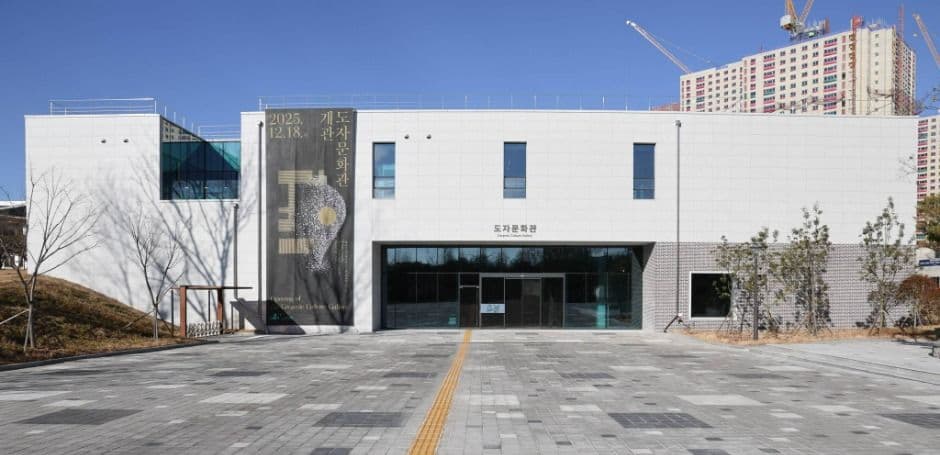
National Museum of Gwangju, Ceramic Culture Hall
국립광주박물관 도자문화관
- Address
- 110, Haseo-ro, Buk-gu, Gwangju (Maegok-dong)전남광주통합특별시 북구 하서로 110 (매곡동)
- Official website
- gwangju.museum.go.kr/
- Opening hours
- 10:00~18:00 (last admission 17:30)
- Closed days
- First Monday of April and November / January 1st / Lunar New Year and Chuseok
- Admission fee
- Free
Photos
About
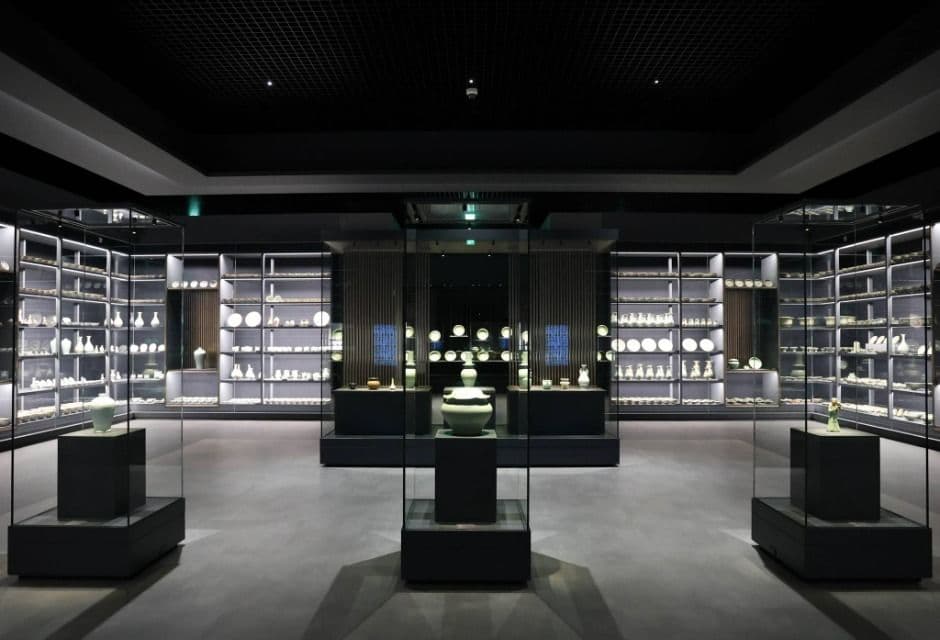
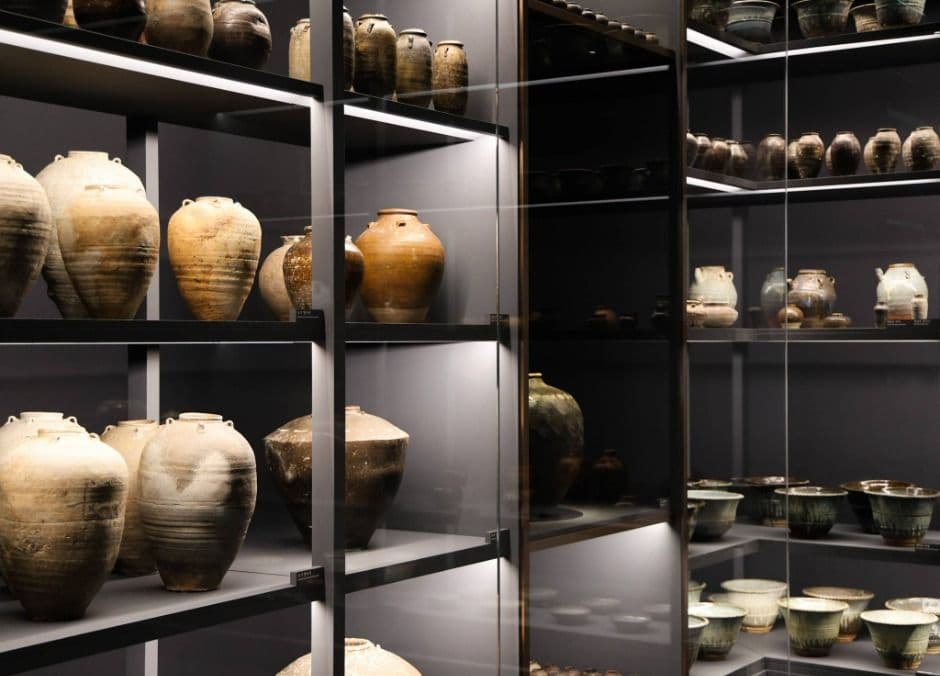
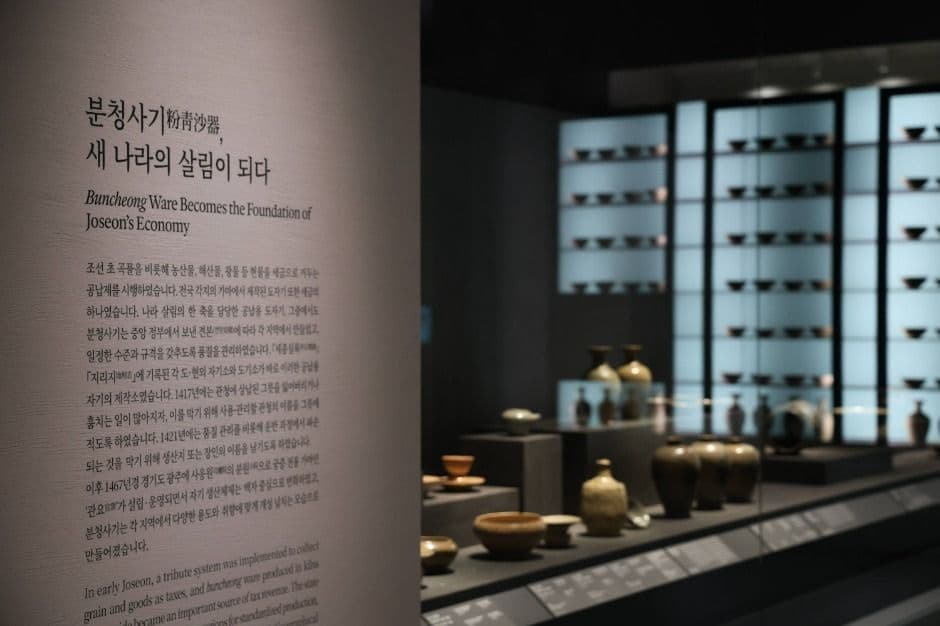
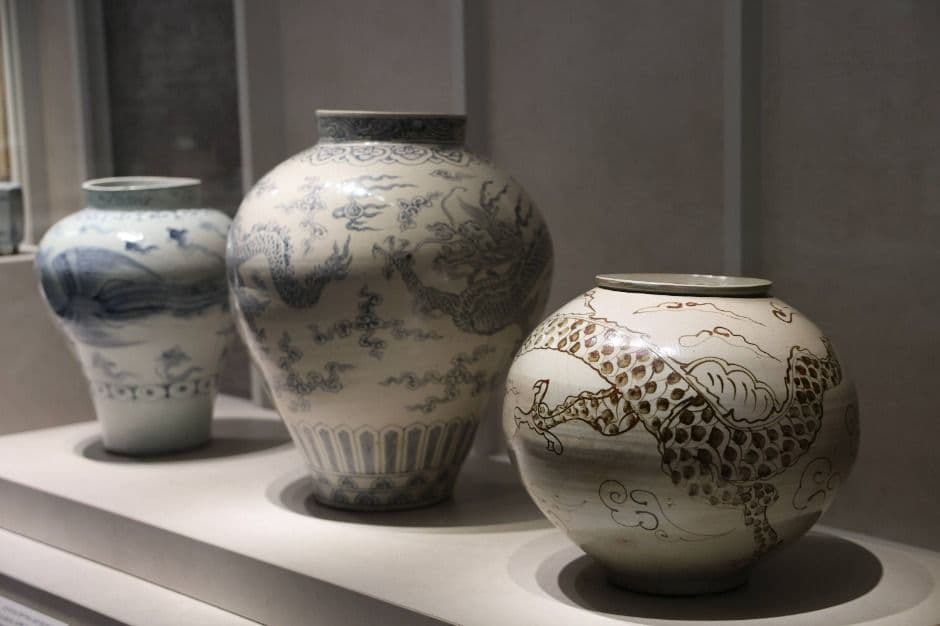
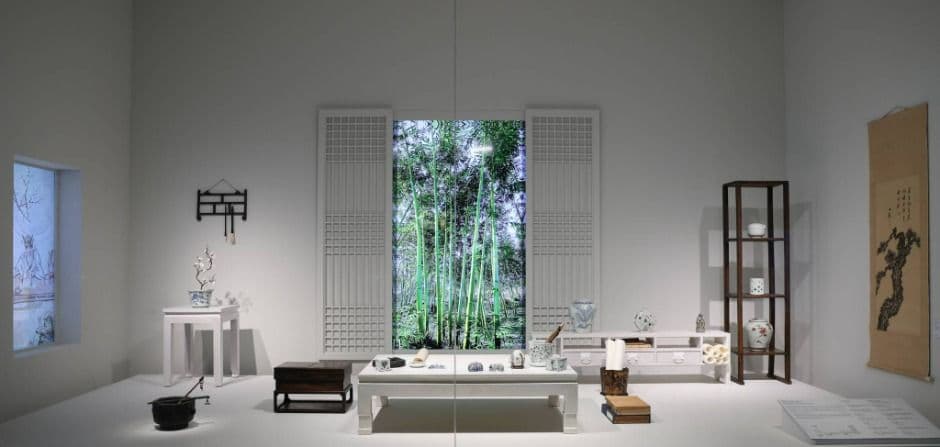
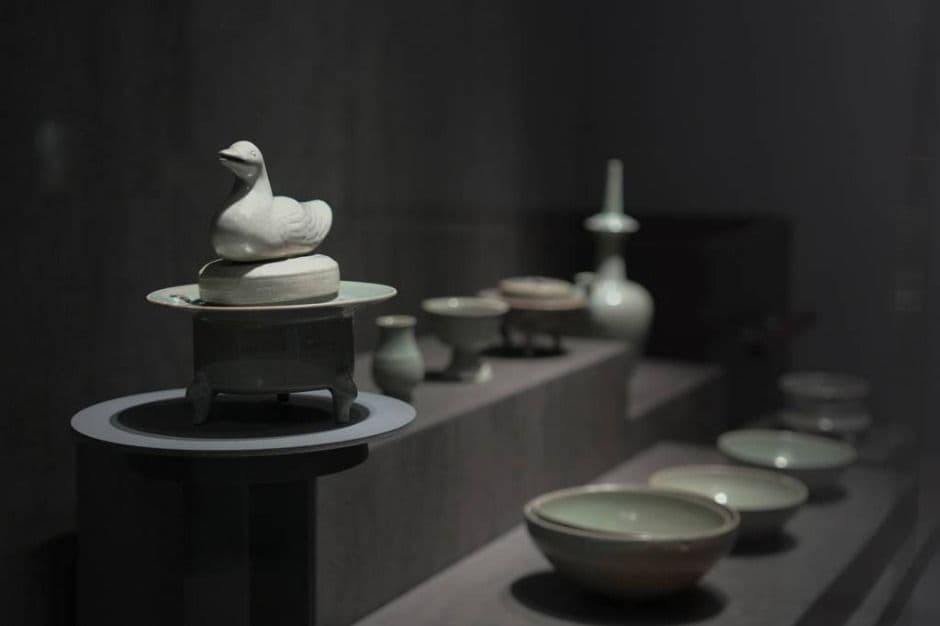
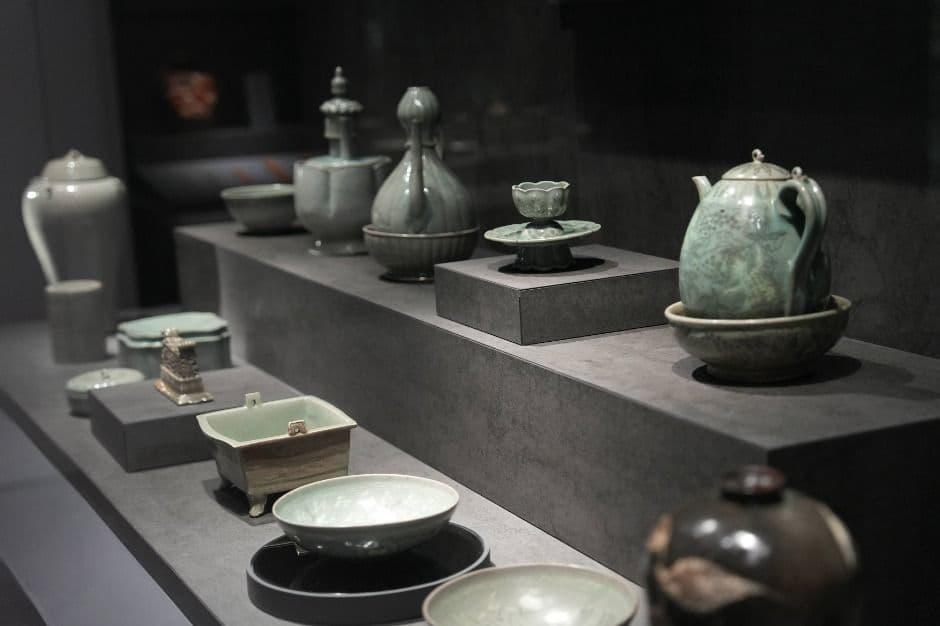
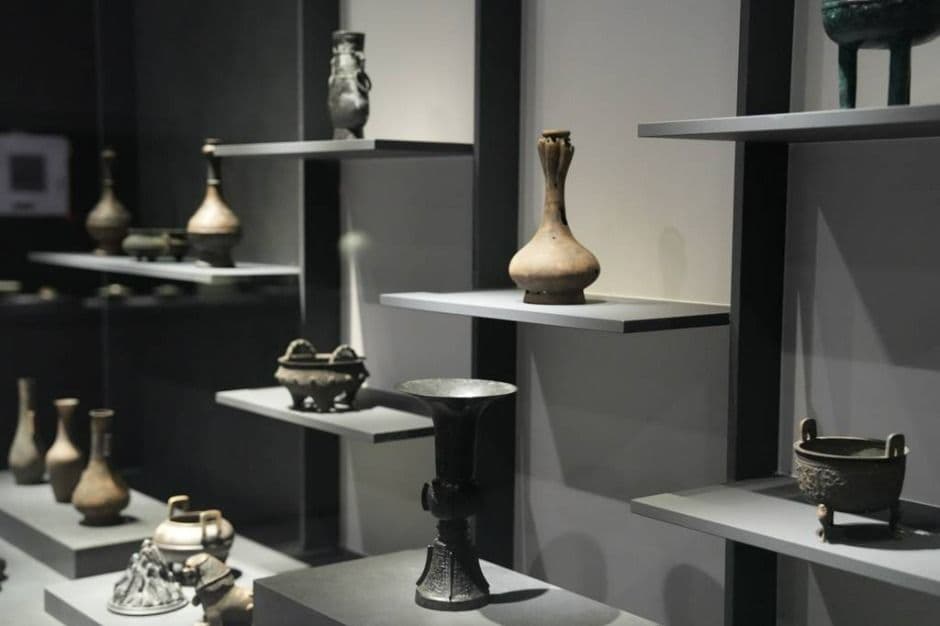
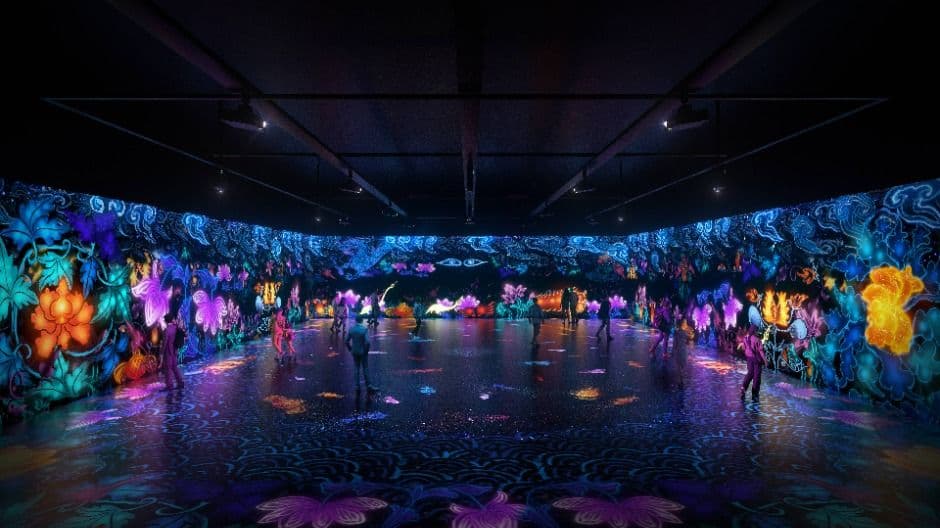
The Korean Ceramics Gallery is a permanent exhibition space that systematically surveys a thousand years of Korean ceramic history, from Goryeo celadon to Joseon buncheong and white porcelain. Korean ceramics have built their own artistic world by combining a unique aesthetic sensibility with cultural exchanges from neighboring regions and the endless experimentation and innovation of craftsmen. Composed of three parts, the exhibition presents in three dimensions the evolution of production techniques from a production perspective, Korean aesthetic sense, and ultimately the history and culture of ceramics that have become vessels for all. The exhibition has been designed as a comprehensive space where visitors can easily and enjoyably understand Korean ceramic culture by providing various presentation techniques, kiosks, and video materials. The Sinan Underwater Ceramics Gallery is a permanent exhibition space that illuminates the reality of maritime exchange and trade in 14th-century East Asia that was revived from the depths of the sea with the Sinan shipwreck, which sank in 1323. Since the discovery of the Sinan underwater cultural heritage in 1975 in the waters off Jeungdo Island, Sinan, South Jeolla Province, systematic underwater excavations beginning in 1976 have confirmed tens of thousands of ceramic pieces and trade goods, which led to the establishment of the National Museum of Gwangju in 1978. The Sinan underwater artifacts consist of approximately 25,000 ceramic pieces, 28 tons of metal products and coins, sandalwood, shipboard household items, and other artifacts, totaling approximately 27,000 pieces. The Sinan ship is a 200-ton large merchant vessel that demonstrates a 14th-century maritime exchange network connecting Korea, China, and Japan, and the recovered ceramics are key artifacts representing the value of the Sinan underwater cultural heritage. This exhibition, with the main theme 'Dreams Across the Sea, the Sinan Ship,' presents in three dimensions the site of medieval East Asian cultural exchange and the lives and tastes of people of that era. The Digital Art Zone, an experiential space within the Ceramic Culture Center, is an immersive media exhibition hall incorporating ICT technology on an ultra-large 60-meter-long panoramic screen. With high-resolution images, high-quality sound, and three-dimensional audiovisual presentation enveloping the entire space, it provides a sensory experience as if stepping into the video itself. The first opening content, 'The Memory of Earth, Blooming into Light,' is a work that poetically reinterprets the representative natural landscapes of the Jeolla-Gwangju Integrated Special Metropolitan City, the seasonal changes, and the birth process of ceramics shaped by earth, water, and fire. Additionally, after the screening, interactive content is also provided that allows visitors to take commemorative photographs. Going forward, we plan to continually introduce new ceramic culture media content based on the original forms of cultural heritage, including ceramics, and to evolve into a fusion and convergence space where aesthetic sensibility and interest harmonize.
Don't miss events like this one
Festival, exhibition, and concert alerts on X and Instagram.