National Museum of Gwangju
국립광주박물관
- Address
- 110 Haseo-ro, Buk-gu, Gwangju (Jeolla-Gwangju Special Integrated City)전남광주통합특별시 북구 하서로 110
- Phone
- 062-570-7000
- Official website
- gwangju.museum.go.kr
- Opening hours
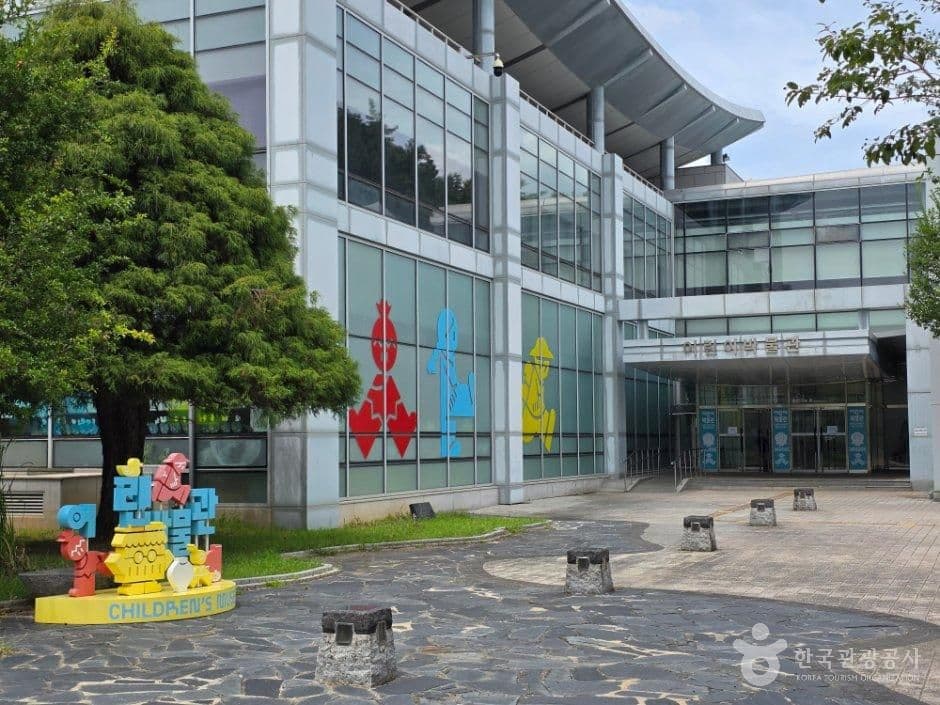
- [National Museum of Gwangju] - 10:00~18:00 - last admission 17:30 [Children's Museum] - 10:00~17:00 [Museum Garden] - 08:00~20:00
- Closed days
- January 1st / Seollal and Chuseok day ※ See website for details
- Admission fee
- Free admission (excluding paid special exhibitions)
Photos
About
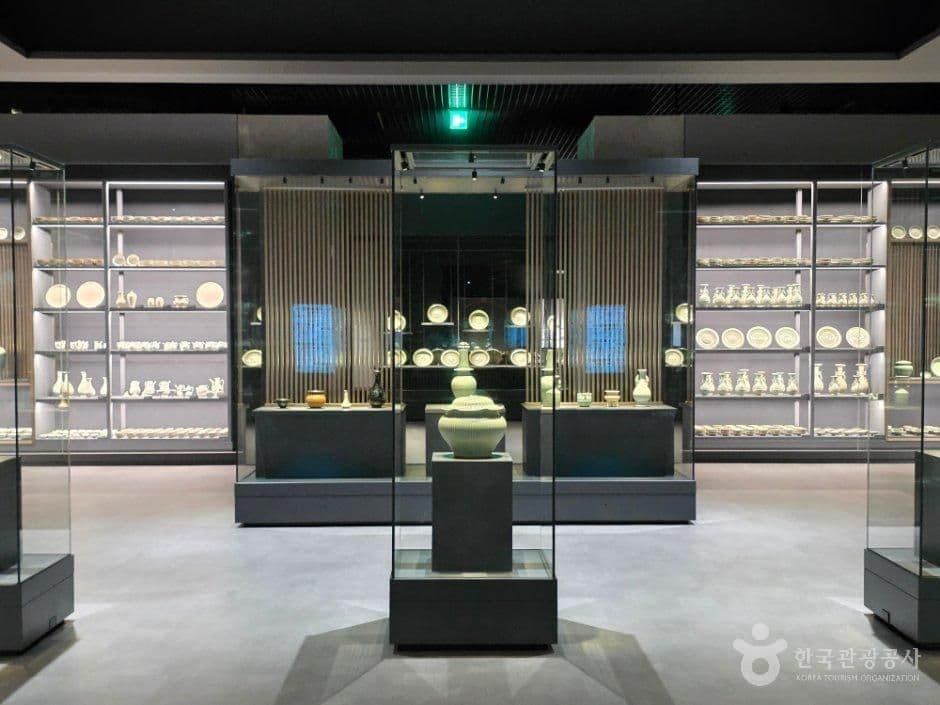
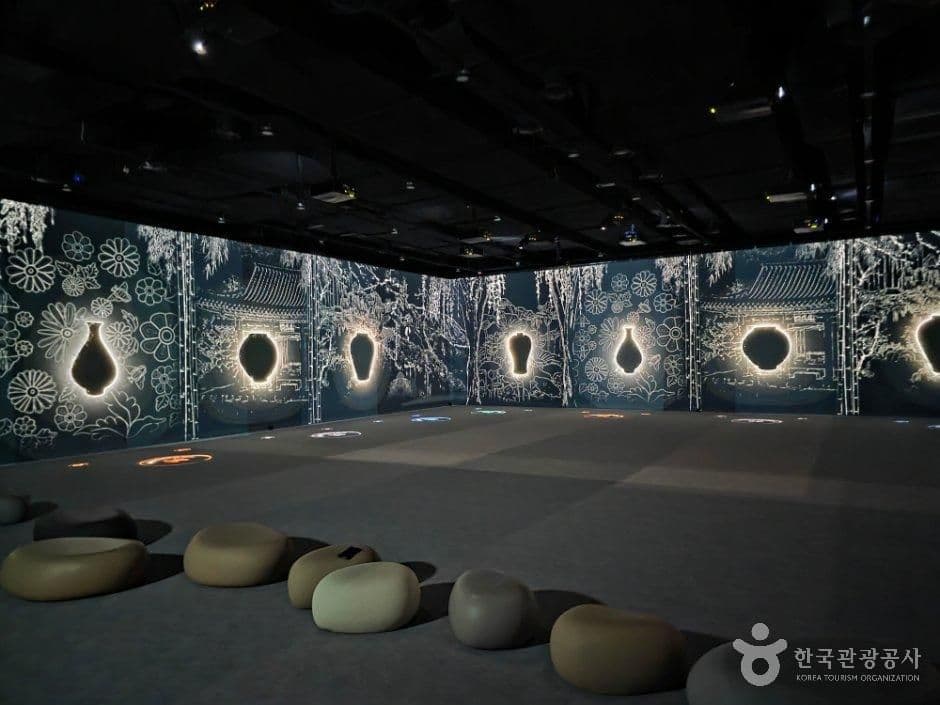
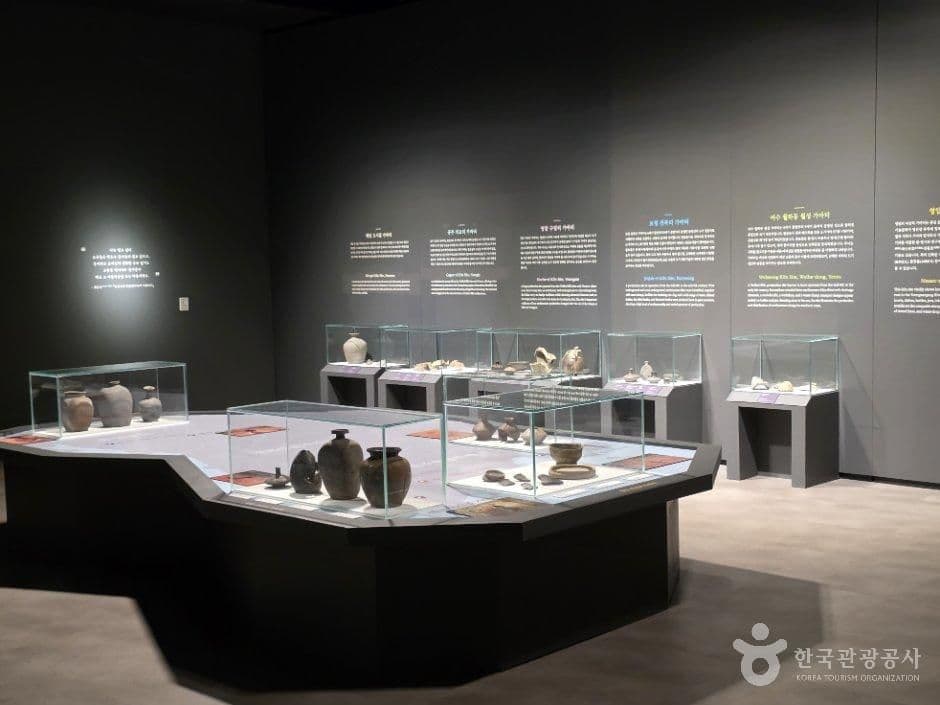
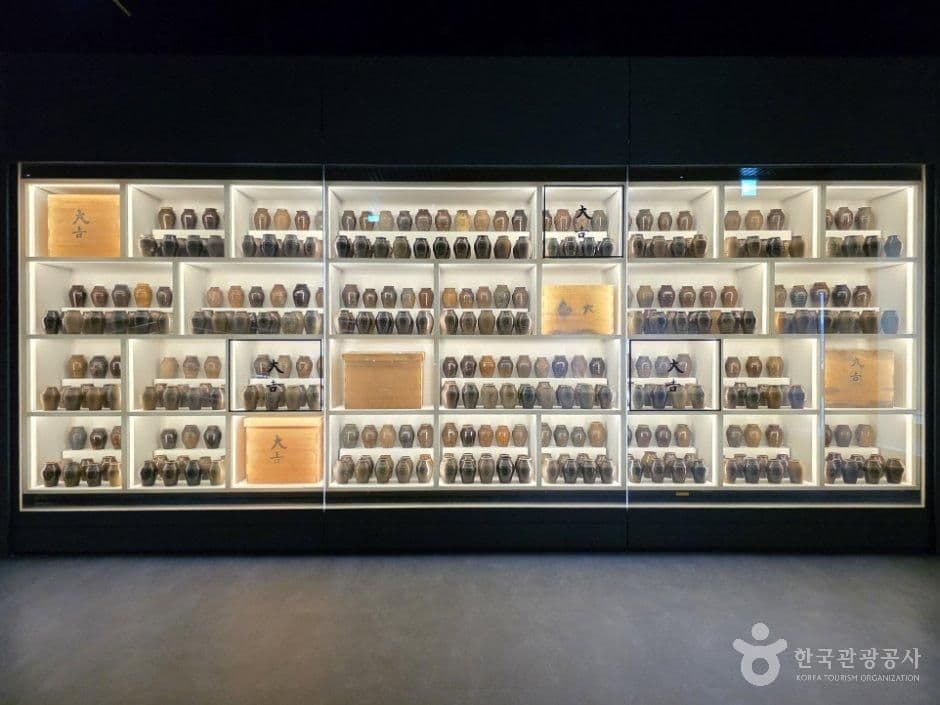
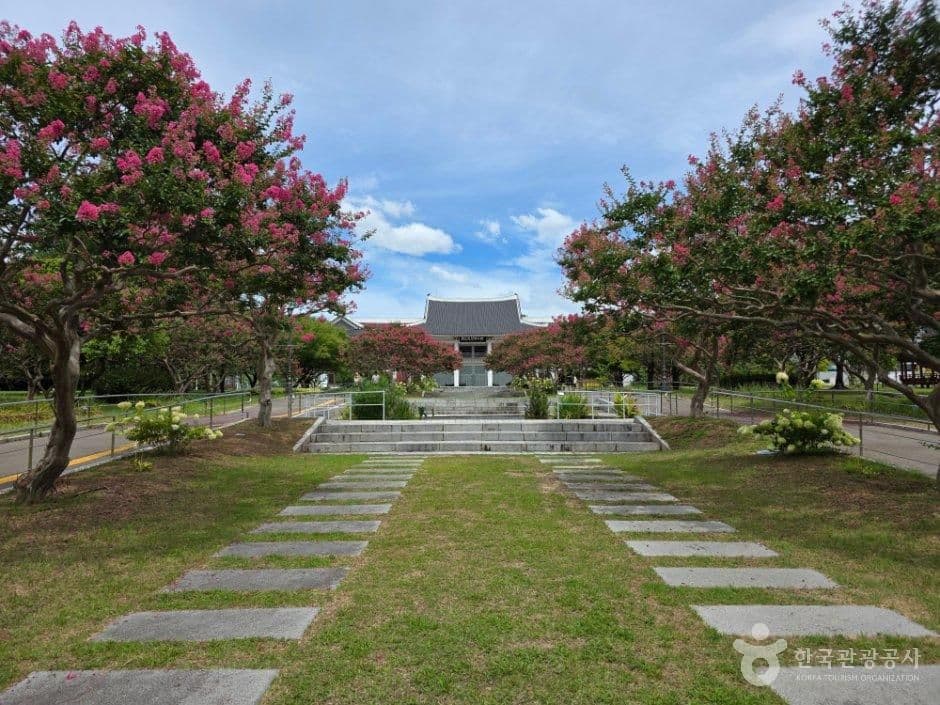
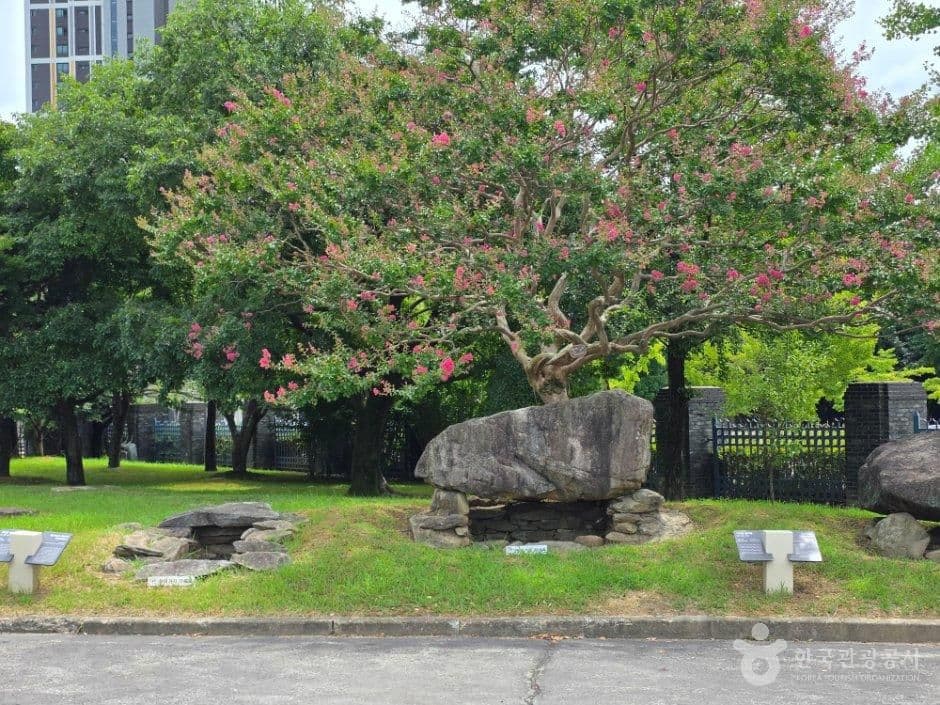
The National Museum of Gwangju opened on December 6, 1978, to collect and preserve the cultural heritage of the Honam region, including the underwater cultural remains of Sinan that began being excavated in 1976, and to introduce the region's history and culture. With a total area of 80,444 ㎡ (24,334 pyeong), comprising 2 floors above ground and 4 floors below ground, the National Museum of Gwangju, designed in the form of a multi-story pavilion, houses approximately 160,000 artifacts, including designated cultural properties such as National Treasures and Treasures. In addition to exhibitions, the museum operates customized educational and experiential programs as well as varied cultural events throughout the year. The museum features seven permanent exhibition galleries: the Prehistory and Ancient Culture Gallery, the Agricultural Culture Gallery, the Ceramic Gallery, the Buddhist Art Gallery, the Calligraphy and Painting Gallery, the Sinan Underwater Cultural Heritage Gallery, and the Central Hall, along with an outdoor exhibition area. In the Prehistory and Ancient Culture Gallery, visitors can view the historical development process from the Paleolithic period through the Unified Silla period. Artifacts excavated from the Songdo site in Yeosu and the Ando site dating to the Neolithic period, bronze-age dolmens, and national treasure bronze artifacts excavated from Daekok-ri in Hwasung are also on display. The South Jeolla region is considered the cradle of Korean ceramics, with numerous kiln sites distributed from Goryeo-era celadon through Joseon-era buncheong ware and white porcelain. Artifacts excavated from these sites can be viewed in the Ceramic Gallery. Furthermore, the Sinan Underwater Cultural Heritage Gallery displays Chinese artifacts from the Song and Yuan dynasties, recovered over nine years from 1976 to 1984 from a sunken merchant vessel off Sinan. The Buddhist Art Gallery exhibits Buddhist craft objects and Buddhist paintings spanning from the Unified Silla period through the Joseon period. On display are reliquary ornaments excavated from the three-story stone pagoda at Borim-sa in Jangheung and the west five-story stone pagoda at Seo-o in Gwangju-Jeonnam, a gilt bronze Buddha statue excavated from Hwabang-ri in Boseong, a gilt bronze Bodhisattva statue excavated from Wunju-sa in Hwasung, a gilt bronze Four Heavenly Kings statue excavated from Yongheung-ri in Yeongam, a gilt bronze seated Jizang Bodhisattva statue excavated from Yongam-sa-ji in Yeongam, a Buddha face excavated from Wonhyo-sa in Gwangju-Jeonnam, and Arhat statues excavated from Seobong-sa-ji in Damyang. Additionally, the entrance hall features the Twin Lion Stone Lantern from Joungheung Fortress. The Calligraphy and Painting Gallery displays representative works of painters from the Honam region who were active during the Joseon period and modern era, allowing visitors to readily understand and appreciate the development of Honam painting while fostering pride in local culture. Furthermore, works by representative painters of the Joseon period such as Jung Seon and Shim Sa-jeong are displayed together to help visitors understand and appreciate not only the flow of Honam painting but also the broader aspects of Joseon-period painting.
On-site
Don't miss events like this one
Festival, exhibition, and concert alerts on X and Instagram.